
Day 6: The Symbolism of Six Geese a-Laying in the Twelve Days of Christmas
- traceybratton
- Dec 19, 2025
- 3 min read
The phrase "six geese a-laying" from the traditional carol The Twelve Days of Christmas holds more meaning than just a festive image. It connects deeply with biblical symbolism, particularly drawing from the Book of Genesis and the words of Mary in Luke 1:46-49. Understanding this symbolism enriches the appreciation of the song and reveals layers of spiritual significance tied to creation, life, and divine blessing.
The Meaning Behind Six Geese a-Laying
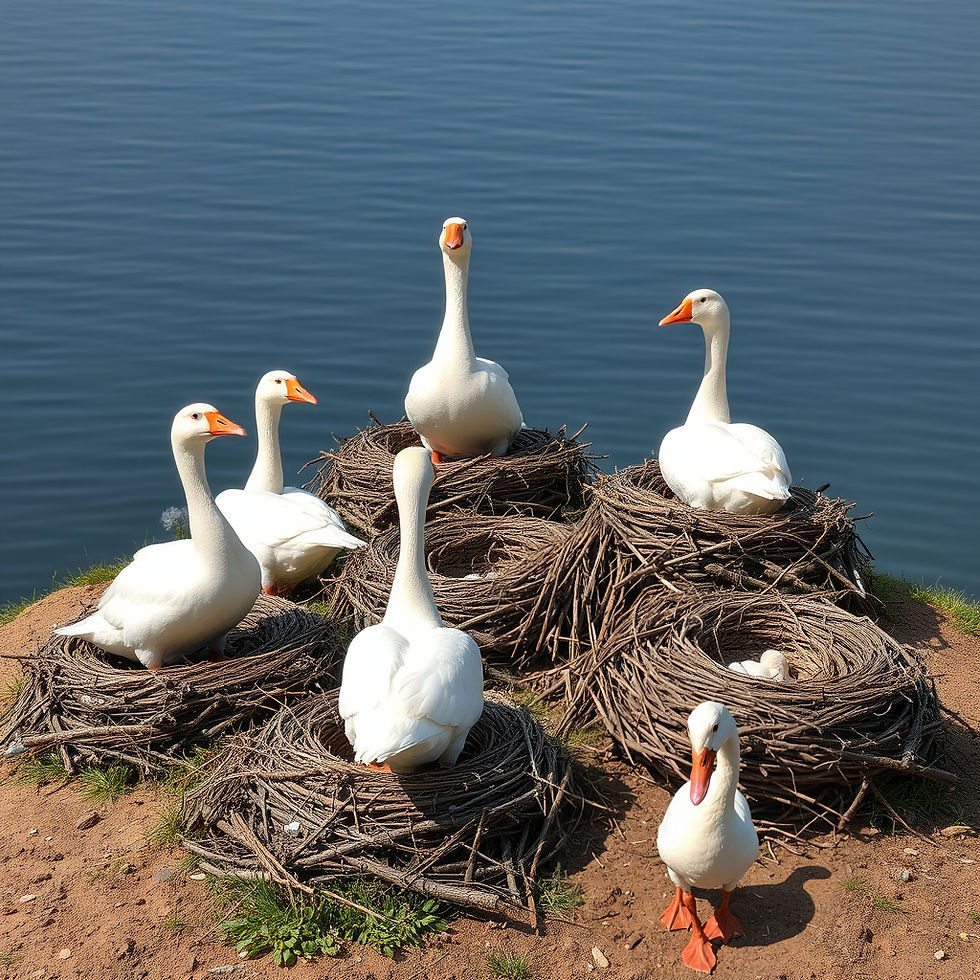
In the carol, the gift of six geese a-laying represents more than just birds producing eggs. Eggs have long symbolized new life and fertility. Geese, as waterfowl, are often associated with nurturing and protection, as they care attentively for their young. The act of laying eggs suggests the beginning of life, growth, and potential.
This symbolism aligns with biblical themes of creation and blessing. The six geese can be seen as a metaphor for the six days of creation described in Genesis, where God created the world and all living things. Each day brought forth new life and order, culminating in a world filled with abundance and purpose.
Connections to Genesis and Creation
Genesis describes the creation of the earth, sky, animals, and humans over six days, with the seventh day reserved for rest. The six geese a-laying can be interpreted as a representation of these six days of creative work. Just as the geese lay eggs that will hatch into new life, the six days of creation brought forth life and order from chaos.
This connection highlights the theme of divine providence and the ongoing cycle of life. The eggs symbolize potential and the promise of new beginnings, much like the creation story promises hope and renewal through God's work.
Mary’s Song in Luke 1:46-49 and Its Relevance
Mary’s song, known as the Magnificat, expresses joy and gratitude for God’s blessings. In Luke 1:46-49, Mary praises God for lifting up the humble and filling the hungry with good things. This passage reflects themes of fertility, blessing, and divine favor, which resonate with the symbolism of the six geese a-laying.
Mary’s words emphasize the idea of life and growth under God’s care. The geese laying eggs can be seen as a natural illustration of this divine blessing—life flourishing through God’s provision. The connection between Mary’s praise and the six geese deepens the spiritual meaning of the carol, linking it to themes of hope, renewal, and faith.
Practical Reflections on the Symbolism
Understanding the symbolism of six geese a-laying invites reflection on several practical and spiritual lessons:
Life and Renewal
The eggs represent new life and the potential for growth. This reminds us to appreciate the opportunities for renewal in our own lives, especially during the Christmas season.
Care and Nurture
Geese are protective parents. This encourages us to nurture those around us, offering care and support to family, friends, and community.
Gratitude for Creation
Reflecting on the six days of creation encourages gratitude for the natural world and the life it sustains.
Faith in Divine Providence
Like Mary’s song, the symbolism calls us to trust in God’s plan and blessings, even in uncertain times.
How This Symbolism Enhances the Christmas Experience
Recognizing the deeper meaning behind six geese a-laying transforms the carol from a simple festive tune into a rich spiritual reflection. It connects the joy of Christmas with the biblical story of creation and the hope expressed by Mary. This understanding can inspire a more meaningful celebration, focusing on life, faith, and gratitude.
Families and communities can incorporate this symbolism into their holiday traditions by:
Sharing the story of creation and Mary’s song during gatherings
Reflecting on the themes of new life and blessing in prayers or meditations
Using images or decorations of geese and eggs as reminders of these themes
These practices help keep the focus on the spiritual heart of Christmas, beyond the commercial and superficial.


Comments